Takeaway websites and direct online ordering
ROISynth builds takeaways their own ordering page and the systems behind it: a menu you change yourself, payments that land in your account, and a list of your regular customers that belongs to you rather than to a delivery app.
Friday, twenty to nine. The tablet on the counter is chiming for the third app, the phone is ringing with someone asking where their order is, and the fryer doesn’t care about either.
On Monday a statement arrives showing what the apps kept from the week. The people on it ordered your food. Their names and numbers went to somebody else.
The food was yours and so was the kitchen. The customer wasn’t — and the customer is what decides whether the next order comes to you or to the app.
Who this page is for
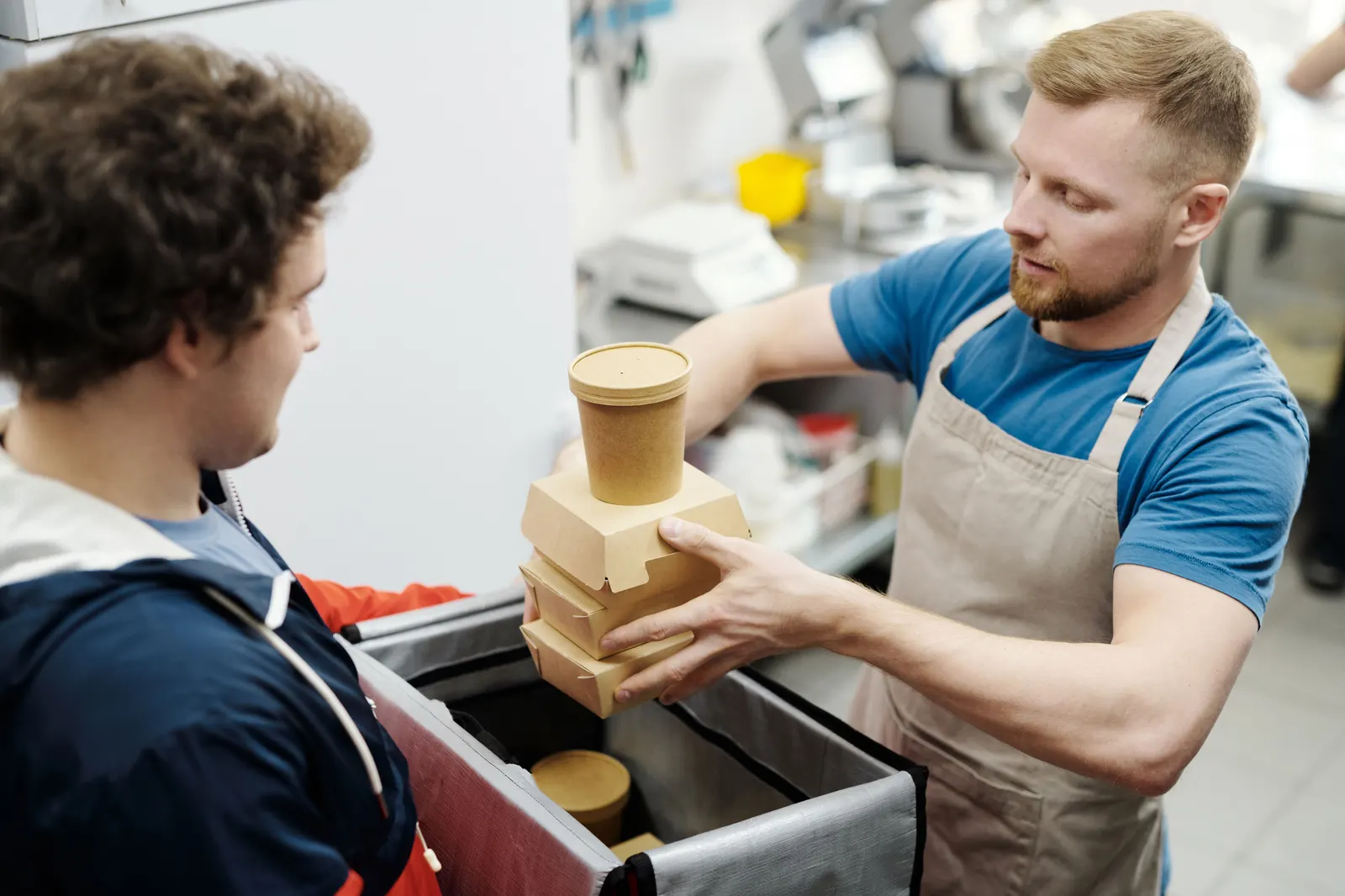
Takeaways, delivery-led kitchens and collection counters: food businesses that take most of their orders remotely, earn most of their week on a few nights, and rely on third-party apps for orders they could be taking themselves. A sit-down restaurant’s bookings are the restaurants page; this one is about ordering and who keeps the customer.
What does ROISynth build for a takeaway?
Your own ordering page, linked from everywhere people already find you, with the menu, the prices and the delivery area you set. Orders arrive already paid, with the address and the notes, and the receipt goes out without you.
The apps don’t have to go. Plenty of people will always order through them. The point is that the customer who looks you up by name has somewhere to order that isn’t an app taking its share.
What goes wrong in a takeaway that doesn’t in a restaurant?
The customer never sees you. A restaurant gets a face, a table and a conversation; a takeaway gets a bag handed to a courier. Whatever the customer remembers afterwards is the app’s logo, not yours.
And the week is lopsided. A few nights carry most of the money, so a menu that is wrong on a Friday — a dish you have run out of, a price that went up — costs more than it would on any other night.
How do orders reach a takeaway?
Through too many doors at once: several apps, the phone, and whoever walks in. Each has its own tablet or its own habit, and none of them talk to each other.
Your own page doesn’t add another door so much as give your regulars a better one. An order taken there turns up in the kitchen with the rest, without anyone retyping it.
How does it fit around a busy Friday night?
The busy nights are for cooking, so nothing here asks for your attention during them. The quiet Tuesday afternoon is when you change the menu, and the change is live where people order.
Afterwards, the people who ordered hear from you at the right moment without anyone sending a message by hand — a thank-you, or a note on the night you try a new dish — instead of silence until an app decides to show you to them again.
What does a takeaway own at the end?
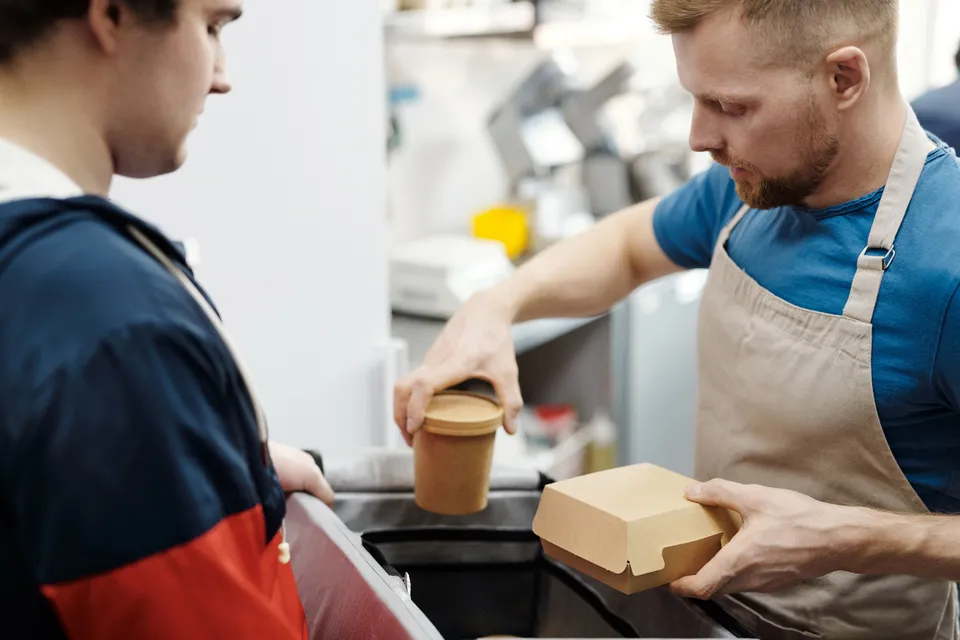
The ordering page, the menu and the customer list. Every account is in your name, and the code is yours.
The list is the difference. Through an app, the customer who orders every Friday belongs to the app. Through your own page, they are a regular you can actually talk to.
What actually changes, in the order it matters to you.
- Orders arrive without anyone writing them down.
- Money's collected, receipts go out, and nothing gets chased.
- Your prices and photos change when you say so, without waiting on anyone.
- Everything about every customer sits in one place, and it's yours.
- Every customer hears from you at the right moment, and nobody sends one by hand.
- An order in one place turns up everywhere else it needs to be, without anyone retyping it.
- It reads properly on a phone, which is where most of them are.
- You find out what an enquiry actually cost you, not what a click cost.
The audit will show you what somebody finds when they search for your takeaway by name on a Friday night, and whether your own page is anywhere in front of the apps.
Questions people ask
- Do I have to come off the delivery apps?
- No. The apps don’t have to go, and plenty of people will always order through them. The point is that the customer who looks you up by name has somewhere to order that isn’t an app taking its share.
- Who keeps the customer details from my own ordering page?
- You do. Through an app, the customer who orders every Friday belongs to the app. Through your own page, they are a regular you can actually talk to.
- When would I change the menu?
- Whenever you have hands free — usually the quiet afternoon, not the busy night — and the change is live where people order.
- Why does a wrong menu matter more on a Friday?
- Because a few nights carry most of the money, so a menu that is wrong on a Friday costs more than it would on any other night.
Want to talk through how this would fit your business? Message on WhatsApp, or send a message and it reaches the person who would do the work.