Care home websites, family enquiries and visits
ROISynth builds care homes a website that answers the questions families ask first, books visits and tours without phone tag, and handles every enquiry quickly and kindly — because the family choosing is usually doing it in a hurry.
A daughter is sitting in a hospital car park. Her father is being discharged on Friday and can’t go home alone. She has four care homes open on her phone and a lunch break to ring them.
Two don’t answer. One says the manager will call back. The fourth answers her questions, books her in to look round tomorrow, and sends her the details while she is still in the car.
The person choosing a care home is rarely the person moving in, and they are almost always choosing under pressure.
Who this page is for
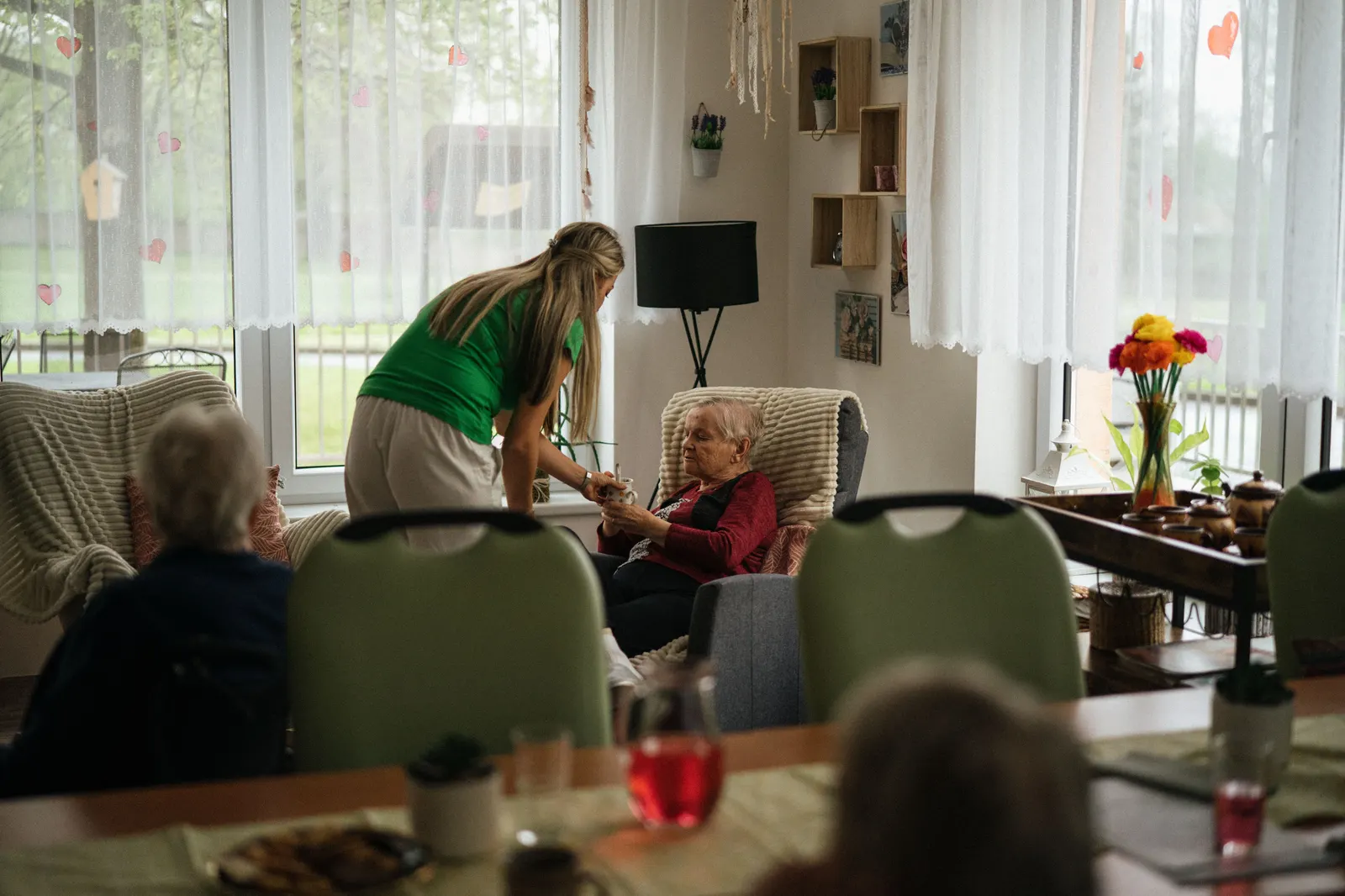
Residential care homes, nursing homes and specialist care providers: homes chosen by family members on behalf of someone else, often at short notice, with visits and tours to arrange, fees and funding questions to answer, waiting lists to manage and families who want to stay in touch once a resident has moved in.
What does ROISynth build for a care home?
A site that answers what families actually need to know — the kind of care offered, whether there is a room, what the fees include, what visiting is like — in plain words. An enquiry form that asks about the person needing care and the timescale, and a way to book a visit into times the home sets.
The family gets a reply and a confirmation whenever they write, day or night, with the name of the person they will meet.
What goes wrong for a care home that doesn’t for a clinic?
The customer isn’t the resident. You are persuading an adult child, often distressed, often comparing several homes in a single day, about somebody they love. The home that answers kindly and clearly is the one they visit.
And the timing is not yours. A room becomes free, or a family needs one on Friday, and the home that is organised enough to respond is the one that fills it.
How do families reach a care home?
By phone during a crisis, by form late at night after a long day at the hospital, and by searching for the questions they are embarrassed to ask. Most want to visit before they decide anything.
Pages that answer the hard questions honestly — cost, what happens if needs change, how visiting works — are what families read at midnight, and what makes them ring you in the morning.
How does it fit around running the home?
The manager sees each enquiry with the family’s answers before calling back, and visits are booked without the phone going back and forth. When there is no room, the family is offered the waiting list rather than silence.
Enquiries, visits and the waiting list sit on one screen, so a room becoming free is matched to the family who asked first.
What does a care home own at the end?
The website, every enquiry and the waiting list, in accounts held by the home or its group, and the code is the home’s too.
Family details are sensitive and stay in the home’s own accounts, which only the home can open.
What actually changes, in the order it matters to you.
- Every customer hears from you at the right moment, and nobody sends one by hand.
- Pages get written for the things people are actually searching for.
- One screen tells you where everything stands.
- Only you can open your files. Anyone else asking is refused by the lock itself, not by a rule we wrote.
- People who need bigger text or more contrast can still read it.
- The follow-up that always gets forgotten, never gets forgotten.
- The pictures look like your business, not like a stock catalogue.
The audit will show you what a family finds when they search for care homes near a parent’s address, and whether your site answers the questions they are afraid to ask.
Questions people ask
- Can families book a visit to the home online?
- Yes — a way to book a visit into times the home sets, with a reply and a confirmation whenever they write.
- What happens when there is no room available?
- The family is offered the waiting list rather than silence, and a room becoming free is matched to the family who asked first.
- What should a care home website explain?
- The kind of care offered, whether there is a room, what the fees include, what visiting is like — in plain words — and the hard questions: cost, what happens if needs change, how visiting works.
- Where are family details kept?
- Family details are sensitive and stay in the home’s own accounts, which only the home can open.
Want to talk through how this would fit your business? Message on WhatsApp, or send a message and it reaches the person who would do the work.