Fashion boutique websites and online selling
ROISynth builds fashion boutiques an online shop that puts new stock up the day it arrives, keeps sizes in step between the rail and the website, and tells your regular customers about new pieces before anyone else sees them.
A delivery arrives on Tuesday: forty pieces, most in three sizes. By Saturday the best dress is down to one size ten, and a woman who drove in for it after seeing it online finds it’s gone.
Online it still showed as available. Nobody had had time to update it between customers.
A boutique’s stock turns over every season in small quantities, so what is on the rail today may be gone before its photograph goes up.
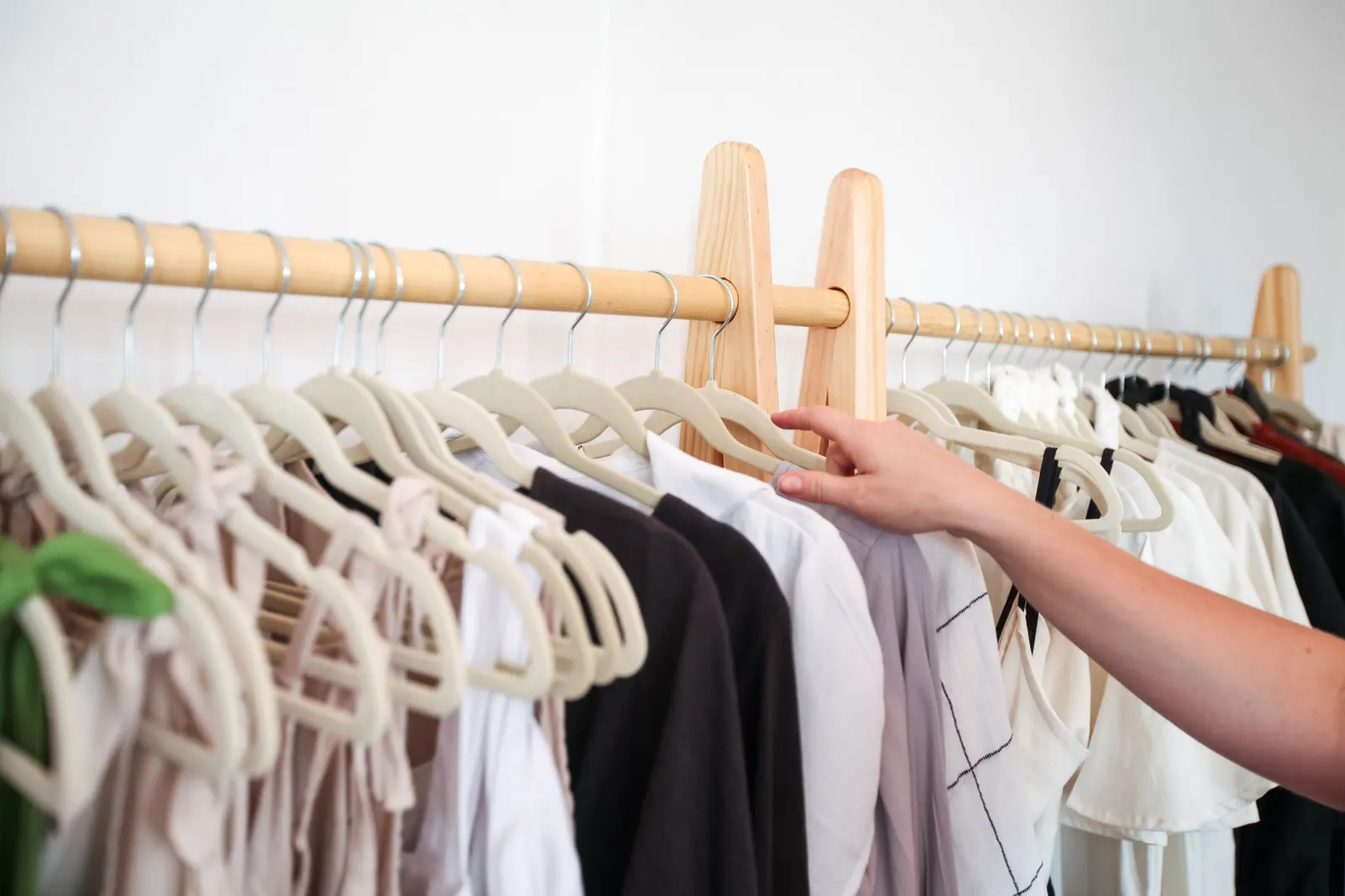
Who this page is for
Independent fashion boutiques, clothing shops and accessory stores: businesses with a physical shop and an online presence, stock bought in small quantities per style and size, collections that change with the seasons, and a loyal core of customers who like to see new pieces first.
What does ROISynth build for a fashion boutique?
An online shop where you add new stock yourself, from your phone, with photographs and sizes, the day the delivery comes in. When something sells in the shop, it comes off the website too, so the size ten sold at the till isn’t sold again online.
Your regular customers hear about new arrivals first, with the pieces that suit what they have bought before, and people who left something in their basket get a reason to come back for it.
What goes wrong for a boutique that doesn’t for a larger shop?
You buy shallow and wide: a few of each piece in a few sizes. A chain can afford to be out of date for a day; for you, the one remaining size is often the one somebody drove in for.
And your customers are loyal to your taste, not to a brand. They want to know what you have picked this season, and they hear about it only if you tell them.
How do customers reach a boutique?
Through the door, from social posts showing new pieces, and from searches for a particular style or occasion — a wedding outfit, a winter coat, a gift. Many browse online and buy in the shop, or the other way round.
Showing the stock as it really is, online and in the shop, is what makes that back-and-forth work rather than disappoint.
How does it fit around running the shop floor?
Stock goes online between customers, from your phone. Sales in the shop and online land in one place, and what you have left is the same number everywhere.
Traffic and sales sit side by side, so you can see which pieces people looked at and which they bought, and plan the next buying trip from real numbers.

What does a boutique own at the end?
The online shop, the stock history and the list of customers who buy from you, in accounts in the shop’s name, together with the code.
Knowing what each regular bought, in what size, is what lets you put the right new piece in front of the right person — the thing a boutique does better than any chain.
What actually changes, in the order it matters to you.
- An order in one place turns up everywhere else it needs to be, without anyone retyping it.
- Your prices and photos change when you say so, without waiting on anyone.
- Someone who left without buying gets a reason to come back.
- A customer's history is remembered forever, so nobody re-explains anything.
- Your traffic and your sales sit in one place instead of four tabs.
- The pictures look like your business, not like a stock catalogue.
- Your page keeps posting in the weeks you'd normally go quiet.
The audit will show you how long your product pages take to show a photograph on a phone, which is where most boutique browsing now starts.
Questions people ask
- Can I add new stock online myself?
- Yes — from your phone, with photographs and sizes, the day the delivery comes in.
- What stops a piece sold in the shop being sold again online?
- When something sells in the shop, it comes off the website too, so the size ten sold at the till isn’t sold again online.
- Can regular customers see new pieces first?
- Yes. Your regular customers hear about new arrivals first, with the pieces that suit what they have bought before.
- Can I see which pieces people looked at but didn’t buy?
- Yes. Traffic and sales sit side by side, so you can see which pieces people looked at and which they bought.
Want to talk through how this would fit your business? Message on WhatsApp, or send a message and it reaches the person who would do the work.