Builder websites, project enquiries and quotes
ROISynth builds builders and renovation firms an enquiry process that asks the scope and budget before a site visit, staged quotes and payments tracked against each project, and one record where every decision the customer makes is written down.
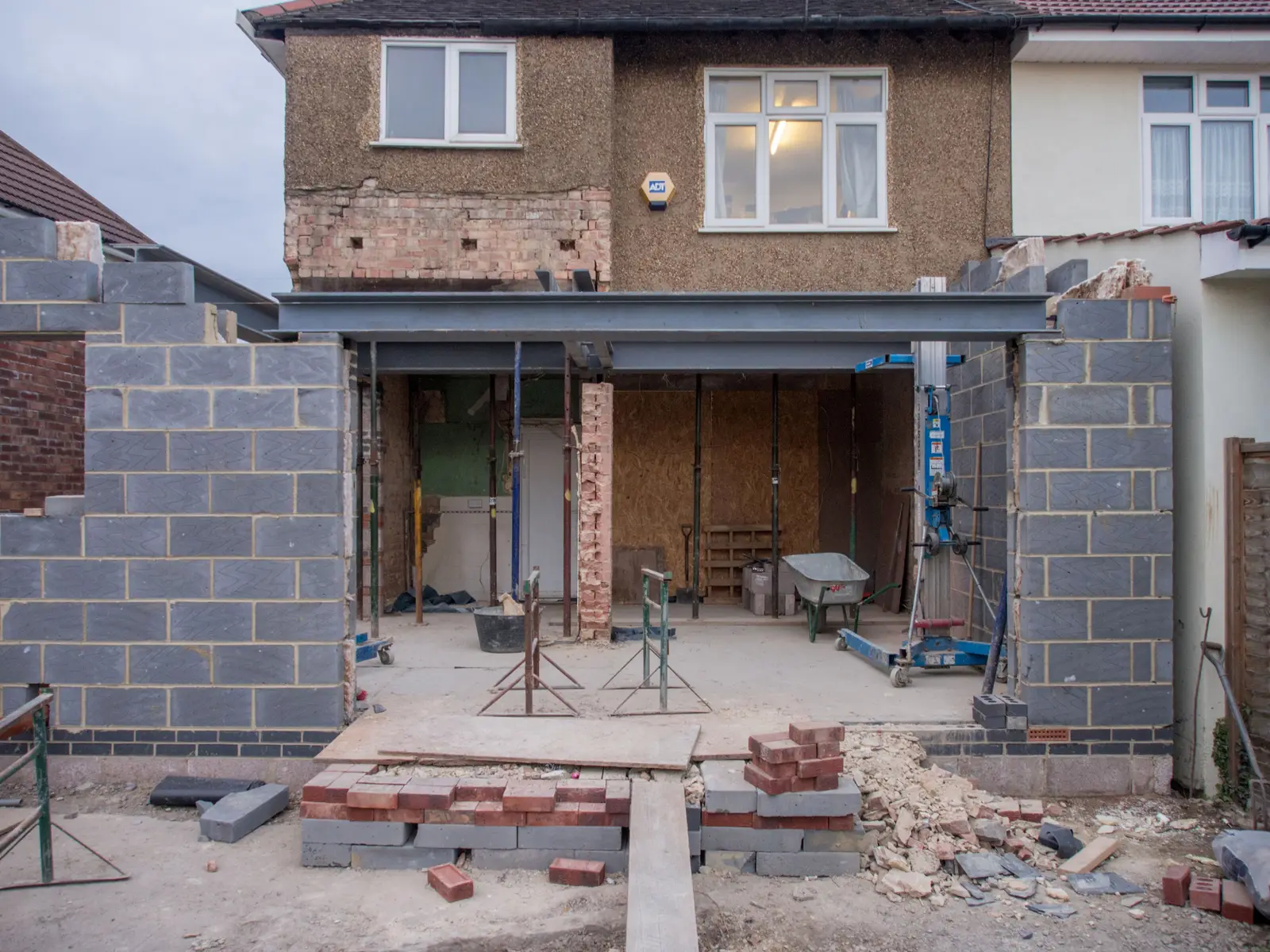
Week nine of a kitchen extension. The customer is making tea in a temporary kitchen in the dining room, and asks whether the window was always going to be that size.
It was. They chose it in week two, on the phone, standing in the garden. Nothing was written down, and now it is your word against their memory.
A building job lasts months with the customer living inside it, and the next job comes from how this one felt.
Who this page is for
Builders, renovation firms and extension specialists: businesses that run a handful of long projects at once, price from drawings and site visits, take staged payments, manage subcontractors and changes of mind, and win nearly all their work by recommendation from the last customer.
What does ROISynth build for a builder?
An enquiry form that asks what the project is, whether there are drawings and roughly what the budget is, so you visit the jobs worth visiting. A quote broken into stages, with each stage payment requested and collected as the work reaches it.
And a project record that writes decisions down as they are made — the window size, the tiles, the extra socket — so week nine can check what week two agreed.
What goes wrong on a building project that doesn’t on a repair?
A repair is done in an afternoon. A project is dozens of small decisions made over weeks, often verbally, often by one half of a couple, and every one of them is a possible argument at the end.
The money is the other strain: staged payments that need chasing, extras that were agreed in passing, and a final invoice that arrives as a surprise because nobody kept count.
How do building enquiries arrive?
Mostly by recommendation, and mostly vague: “we’re thinking of doing the kitchen.” A site visit costs you half a day, and a lot of them are to people who were never going to spend what the job costs.
Knowing the scope, the drawings and the budget first doesn’t put people off. It tells them you take their project seriously, and it tells you which visits to make.
How does it fit around running several sites?
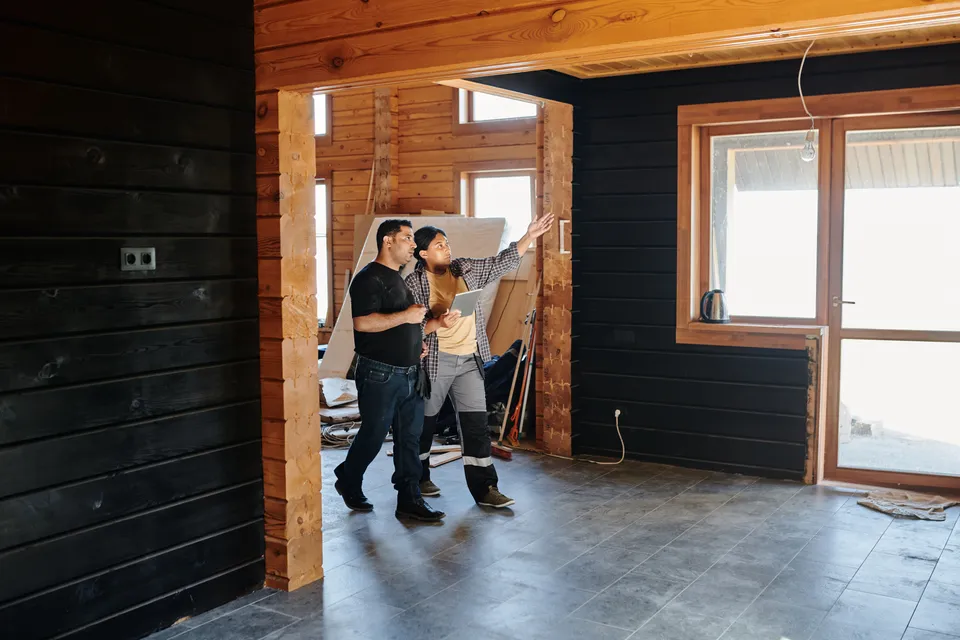
Each project has its own record, and the customer can see what is being worked on this week without ringing to ask. Changes are noted as they are agreed, with the price attached, so the extras are counted rather than remembered.
Stage payments are asked for when the stage is reached, and paid online, so the money arrives without you raising it on site with somebody in their dressing gown.
What does a building firm own at the end?
The website, every project record and the photographs of the work, all in accounts that are yours, and the code belongs to you as well.
A history of finished projects with their photos and the decisions behind them is what a new customer wants to see — and what settles a disagreement years later.
What actually changes, in the order it matters to you.
- Decisions get written down when they're made, so nobody re-argues them in March.
- You can see what's being worked on right now, without asking.
- Money's collected, receipts go out, and nothing gets chased.
- What you send a customer looks designed, because it was.
- The pictures look like your business, not like a stock catalogue.
- Everything about every customer sits in one place, and it's yours.
- Pages get written for the things people are actually searching for.
The audit will show you what somebody planning an extension finds when they search for builders nearby, and whether your finished work is what they see first.
Questions people ask
- How do I avoid site visits that go nowhere?
- Ask what the project is, whether there are drawings and roughly what the budget is, so you visit the jobs worth visiting.
- How are changes agreed on site kept track of?
- Changes are noted as they are agreed, with the price attached, so the extras are counted rather than remembered.
- Can stage payments be requested without awkward conversations?
- Yes. Stage payments are asked for when the stage is reached, and paid online, so the money arrives without you raising it on site.
- What stops arguments about what was agreed?
- A project record that writes decisions down as they are made — the window size, the tiles, the extra socket — so week nine can check what week two agreed.
Want to talk through how this would fit your business? Message on WhatsApp, or send a message and it reaches the person who would do the work.