Property developer websites and new-home sales
ROISynth builds property developers a site for each development, a register that captures buyers’ interest before launch, plot availability you update yourself, and a follow-up for every enquiry — because the keenest buyers register long before the show home opens.
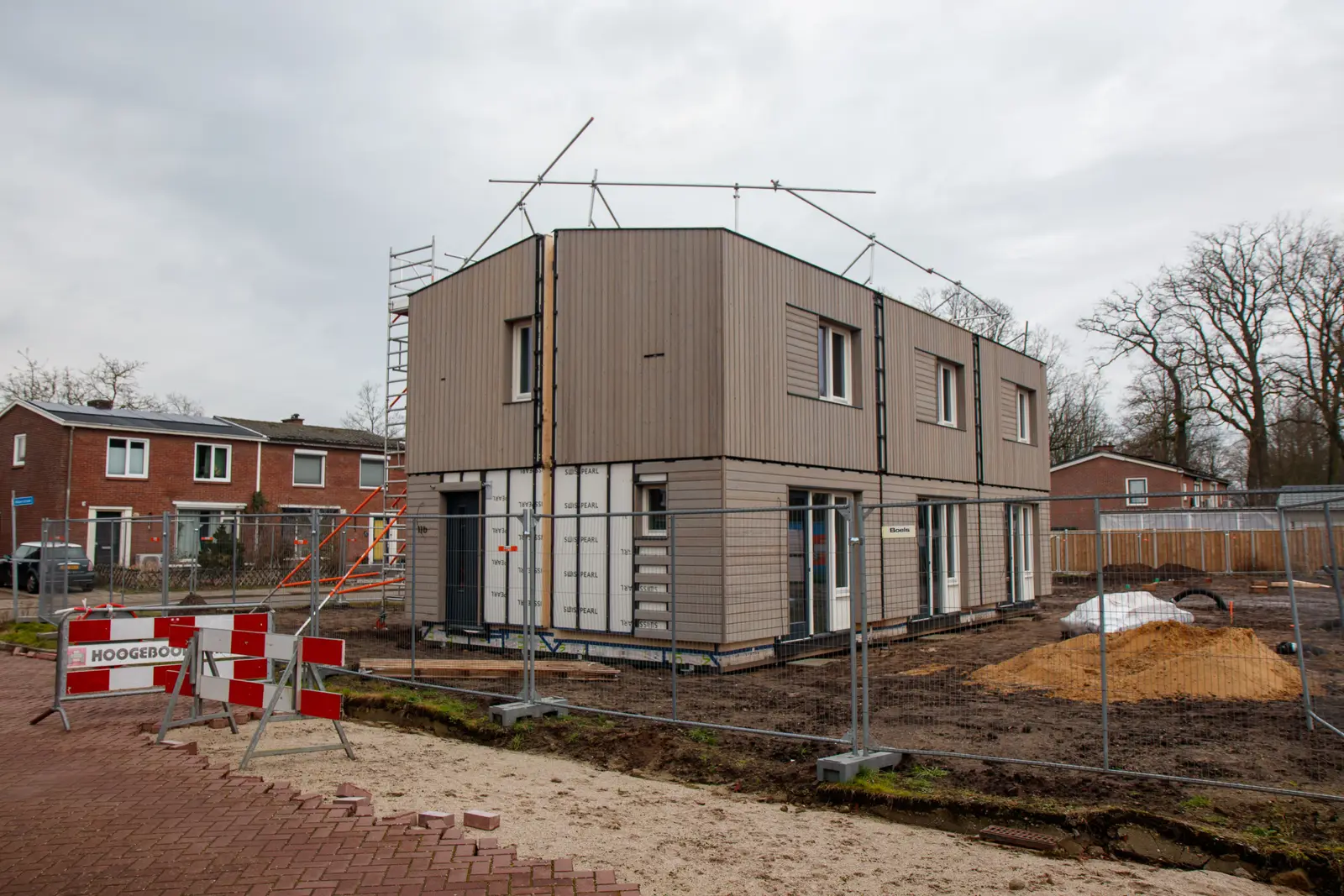
The hoardings went up in spring with a sign and a phone number. Over the summer, ninety people rang or emailed to ask about the new homes.
Their names are in a notebook, an inbox and the site manager’s phone. When the show home opens in October, a dozen of them hear about it.
A development is most wanted before there is anything to see, and the buyers who asked first are usually the ones nobody followed up.
Who this page is for
Residential property developers and small housebuilders: firms that build and sell homes in phases, market developments before they are finished, release plots over time, sell partly to buyers who have registered early, and need each development to have its own identity and its own enquiry list.
What does ROISynth build for a property developer?
A site for each development — the homes, the plans, the location, the specification — with a register-your-interest form that asks which home type, what budget and what timescale. Plot availability that you mark as reserved or sold yourself, so the site is never advertising a home that has gone.
Everyone who registers is followed up at each milestone — plots released, show home open, final homes left — in order of when they asked.
What goes wrong for a developer that doesn’t for an estate agent?
An agent sells homes that exist. You sell homes from drawings, often a year or more before completion, so the relationship with a buyer has to last through a long wait — and most developers let it lapse.
And each development is its own product with its own name, its own buyers and its own timetable. A single company website that lists them all together rarely does any of them justice.
How do buyers reach a developer?
From the hoardings, from searches for new homes in a particular area, from listing sites and from agents. Early interest is vague and unhurried; later interest, when only a few homes are left, is urgent.
A register that captures the home type, budget and timescale lets you release the right plots to the right people, rather than to whoever happens to ring on launch day.
How does it fit around a build programme?
The register, the reservations and the plots still for sale sit on one screen for each development. When a milestone arrives, everyone waiting hears about it without a mail-out being assembled by hand.
Buyers who have reserved get updates on their home as the build progresses, so the sales office isn’t fielding the same question fifty times.
What does a developer own at the end?
Each development’s site, every registration and the buyer records, in accounts held by the company, as is the code.
People who bought one of your homes are the best advertisement for the next development, and people who registered and didn’t buy are often the first buyers for it.
What actually changes, in the order it matters to you.
- The follow-up that always gets forgotten, never gets forgotten.
- Your prices and photos change when you say so, without waiting on anyone.
- One screen tells you where everything stands.
- Every customer hears from you at the right moment, and nobody sends one by hand.
- What you send a customer looks designed, because it was.
- The pictures look like your business, not like a stock catalogue.
- Pages get written for the things people are actually searching for.
The audit will show you what somebody finds when they search for new homes in the town where you are building, and whether your development is there before the listing sites are.
Questions people ask
- Can buyers register their interest before a development launches?
- Yes — a register-your-interest form that asks which home type, what budget and what timescale.
- How do registered buyers hear about releases?
- Everyone who registers is followed up at each milestone — plots released, show home open, final homes left — in order of when they asked.
- Can we mark plots as reserved or sold ourselves?
- Yes. Plot availability is something you mark as reserved or sold yourself, so the site is never advertising a home that has gone.
- Should each development have its own site?
- Yes. Each development is its own product with its own name, its own buyers and its own timetable, and a single company website that lists them all together rarely does any of them justice.
Want to talk through how this would fit your business? Message on WhatsApp, or send a message and it reaches the person who would do the work.